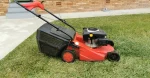
Living on acreage or rural property in Lockyer Valley comes with many rewards, but it also carries significant responsibilities when it comes to fire safety. One of the most effective ways to protect your property from bushfire threats is through proper firebreak mowing. This essential maintenance practice creates defensible spaces around your home and boundaries, reducing fuel loads and providing crucial barriers that can slow or stop fire spread during Queensland’s bushfire season.
Understanding the importance of firebreak mowing and implementing best practices can make the difference between a property that weathers a fire event and one that suffers devastating loss. Whether you own acreage in Gatton, a lifestyle block in Laidley, or rural land in Plainland, this guide will help you understand what firebreak mowing involves, when to schedule it, and how to ensure it meets local safety regulations.
Lockyer Valley Acreage Mowing provides professional firebreak mowing services throughout the region, helping property owners maintain compliance and peace of mind during fire season.
What Firebreak Mowing Involves and Why It’s Essential
Firebreak mowing is the strategic clearing and maintenance of vegetation along property boundaries and around structures to create fuel-reduced zones. Unlike regular lawn mowing, firebreak mowing focuses specifically on removing combustible material that could feed a fire or allow flames to spread from neighbouring properties or bushland onto your acreage.
The process involves cutting grass, weeds, and other vegetation down to a safe height, typically between 50mm and 100mm, depending on the specific requirements of your local area and the type of vegetation present. This height is low enough to significantly reduce fire intensity and rate of spread, but not so low that it leaves soil exposed to erosion or allows dust to become a problem during dry conditions.
Firebreak mowing serves multiple critical purposes for rural property owners. First and foremost, it provides a barrier that slows down or stops grassfires from reaching your home, sheds, livestock areas, and other valuable assets. When a fire encounters a properly maintained firebreak, it loses intensity because there is less fuel to burn. This reduction in fire behaviour gives firefighters a better chance of controlling the blaze and gives you more time to evacuate if necessary.
Beyond immediate fire protection, firebreak mowing also allows better visibility around your property perimeter. This visibility helps you spot potential fire threats earlier and makes it easier for emergency services to assess and defend your property if a fire does occur. Clear firebreaks also serve as access routes for firefighting vehicles and personnel, which can be crucial during an emergency response.
Property owners in Lockyer Valley face particular risks due to the region’s mix of agricultural land, bushland reserves, and residential development. During extended dry periods, grass and vegetation can become extremely flammable, and a single spark from machinery, a discarded cigarette, or a lightning strike can ignite a fast-moving grassfire. Firebreak mowing significantly reduces this risk by managing the fuel load across your property boundaries and vulnerable areas.
Local Safety Regulations and Property Maintenance Laws
Queensland has specific legislation regarding fire safety and property maintenance that applies to rural and semi-rural landholders. The Fire and Emergency Services Act 1990 and local government regulations place legal obligations on property owners to take reasonable steps to prevent fire hazards and minimise fire risk on their land.
In Lockyer Valley Regional Council areas, property owners are required to maintain their land in a way that reduces fire risk, particularly during the declared bushfire season. This typically means keeping grass and vegetation cut to a reasonable height around buildings and along property boundaries. While specific requirements can vary depending on your exact location and property classification, most rural properties are expected to maintain firebreaks of at least 5 to 10 metres wide along all boundaries.
The local council has the authority to issue Fire Hazard Reduction Notices to property owners who fail to adequately maintain their land. These notices specify what work must be completed and by what date. Failure to comply with a Fire Hazard Reduction Notice can result in fines, and in some cases, the council may arrange for the work to be done and charge the property owner for the cost.
It is important to understand that these regulations exist not just to protect your own property, but also to protect your neighbours and the broader community. A fire that starts or spreads because of unmaintained vegetation on your property could result in significant liability issues if it causes damage to neighbouring properties or threatens lives.
Beyond council regulations, property owners should also be aware of any fire management requirements associated with their property’s zoning or land use classification. Some rural properties may fall under additional requirements if they are located in designated bushfire-prone areas or if they border state forests, national parks, or other public lands.
Consulting with Lockyer Valley Acreage Mowing can help you understand what is required for your specific property and ensure your firebreak mowing meets all relevant regulations. Professional mowing services are familiar with local council requirements and can advise you on the best approach for compliance.
How Firebreaks Help Prevent Bushfire Spread
The effectiveness of firebreaks in preventing bushfire spread is well-documented and forms a cornerstone of fire management strategies across Australia. Understanding how firebreaks work helps property owners appreciate why this maintenance task should be a priority.
Fires spread through three main mechanisms: direct flame contact, radiant heat, and ember attack. A well-maintained firebreak addresses all three of these mechanisms. By removing or significantly reducing the amount of combustible material, firebreaks create a gap that flames cannot easily cross through direct contact. The reduced fuel load also means less radiant heat is generated, which in turn reduces the likelihood of ignition on the protected side of the firebreak.
Grassfires move quickly, sometimes travelling at speeds of several kilometres per hour in favourable conditions. When a grassfire reaches a properly maintained firebreak, the sudden reduction in available fuel causes a dramatic drop in fire intensity. This gives the fire front less energy to continue spreading and provides an opportunity for natural factors like wind changes or increased humidity to help suppress the fire.
The width of your firebreak matters significantly. Narrow firebreaks may be overwhelmed by intense fires or bypassed by wind-blown embers, while wider firebreaks provide more robust protection. For most acreage properties in Lockyer Valley, a firebreak width of at least 5 to 10 metres is recommended, though properties bordering bushland or in high-risk areas may benefit from wider cleared zones.
Multiple firebreaks create even better protection. Rather than relying on a single perimeter firebreak, property owners can establish internal firebreaks that divide their property into zones. This approach is particularly useful on large acreages, as it limits how far a fire can travel across your property if it does manage to breach the outer defences.
Firebreaks also provide strategic advantages for firefighting operations. Fire crews can use well-maintained firebreaks as staging areas and control lines, allowing them to fight fires more effectively. The cleared ground gives firefighters safer working conditions and better mobility for vehicles and equipment. In many cases, a good firebreak system allows for successful property defence that would otherwise be impossible.
It is worth noting that firebreaks work best as part of an integrated fire management approach. They should be combined with other measures such as maintaining clear zones around buildings, managing tree branches overhanging roofs, installing ember guards on vents, and having a bushfire survival plan. Professional services like Lockyer Valley Acreage Mowing can help you develop a comprehensive property fire safety strategy.
Recommended Cutting Heights and Safe Operating Distances
Achieving the right cutting height is crucial for effective firebreak mowing. Cut grass too short and you risk soil erosion and dust problems. Leave grass too long and the firebreak loses much of its protective value. Finding the balance requires understanding local conditions and following best practice guidelines.
For most grass types found on Lockyer Valley properties, a cutting height between 50mm and 100mm provides optimal fire protection while maintaining acceptable ground cover. This height significantly reduces fuel load and fire intensity without completely exposing the soil surface. The specific height within this range should be adjusted based on the grass species, soil type, and slope of the land.
On flatter terrain with stable soil, cutting closer to 50mm provides maximum fire protection. However, on sloping ground or areas prone to erosion, maintaining grass at the higher end of the range helps protect the soil while still providing good fire safety. Properties with sandy or loose soils should avoid cutting too short, as this can lead to wind erosion and dust issues during dry periods.
The safe operating distance for firebreaks depends on several factors including the height and type of surrounding vegetation, slope angle, prevailing wind patterns, and the specific assets being protected. As a general rule, firebreaks should extend at least 5 metres from any building, shed, or other structure. For properties backing onto bushland or areas with tall trees, a minimum distance of 10 metres is recommended, and distances of 20 metres or more may be appropriate in high-risk locations.
When calculating firebreak width, consider that radiant heat from fires can ignite materials well beyond the flame front itself. The Australian Standard AS 3959 provides guidance on defendable space requirements for buildings in bushfire-prone areas and can serve as a useful reference for determining appropriate firebreak dimensions.
Firebreaks along property boundaries should be wide enough to prevent fire spread from neighbouring properties while also protecting those neighbours from fires that might start on your land. This reciprocal protection is an important aspect of community fire safety. In many cases, coordinating firebreak maintenance with adjacent landowners can create more effective barriers than individual efforts alone.
Special attention should be given to areas where firebreaks must navigate around trees, rocks, dams, or other landscape features. These obstacles can create gaps in your fire protection if not properly managed. Professional mowing operators have the experience and equipment to work around these challenges while maintaining continuous firebreak coverage. Lockyer Valley Acreage Mowing uses ride-on mowers capable of handling varied terrain and tight spaces to ensure comprehensive firebreak establishment.
Scheduling Firebreak Mowing Before Summer Fire Season
Timing is everything when it comes to firebreak mowing. Complete your firebreaks too early and regrowth may compromise their effectiveness before fire season peaks. Leave it too late and you may find yourself scrambling to prepare as fire danger increases or, worse, attempting to establish firebreaks during a total fire ban when such activities may be prohibited.
The ideal window for firebreak mowing in Lockyer Valley typically begins in late winter, around August or September, and extends through early summer. This timing allows property owners to establish firebreaks after winter rains have promoted grass growth but well before the hottest and driest months when fire danger is highest. Completing firebreak work by October or early November ensures your property is prepared before the official bushfire season begins.
Early scheduling provides several advantages. You avoid the rush that occurs when everyone tries to book mowing services at the same time in late spring. You have more flexibility to choose convenient dates rather than having to accept whatever slots remain available. You also give yourself time to address any issues or areas that may need additional work before fire conditions become critical.
Weather patterns should influence your firebreak mowing schedule. In years with late spring rain, grass may continue growing vigorously into November, potentially requiring a second mowing pass to maintain effective firebreaks through summer. Conversely, early onset of dry conditions may mean firebreaks established in September remain effective longer with minimal regrowth.
Property owners should plan for maintenance mowing during the fire season itself. Even well-established firebreaks can become less effective if significant regrowth occurs during summer storms or if weeds colonise the cleared areas. A mid-season inspection in December or January allows you to identify areas that may need touch-up mowing to maintain protection through the remainder of fire season.
Consider coordinating your firebreak schedule with other fire safety tasks. The same period when you are establishing firebreaks is an excellent time to clear leaves from gutters, trim overhanging branches, check your water supply and firefighting equipment, and review your bushfire survival plan with family members. Taking a comprehensive approach to fire preparation ensures all aspects of property protection receive appropriate attention.
For property owners managing large acreages or multiple blocks, a staged approach to firebreak mowing may be necessary. Prioritise areas closest to buildings and along boundaries that border high-risk vegetation. Secondary firebreaks and internal divisions can be completed subsequently as time and budget allow. Professional services can help you develop a staged mowing plan that addresses the most critical areas first while working towards comprehensive coverage.
Booking your firebreak mowing early with Lockyer Valley Acreage Mowing ensures you secure your preferred timing and avoid the last-minute stress of fire season preparation. Regular clients often establish annual schedules that guarantee their firebreaks are completed at the optimal time each year without having to remember to make bookings.
Benefits of Using Experienced Local Contractors
While some property owners consider tackling firebreak mowing themselves, there are significant advantages to engaging experienced local contractors for this critical task. Professional mowing services bring expertise, appropriate equipment, and efficiency that can make the difference between adequate and excellent fire protection.
Local contractors understand Lockyer Valley terrain, vegetation types, and specific fire risks. This knowledge allows them to provide advice on firebreak placement, width, and maintenance frequency tailored to your property’s unique characteristics. They recognise problem areas where extra attention is needed and can identify potential hazards that inexperienced property owners might overlook.
The equipment used by professional mowing services is designed specifically for large-scale vegetation management. Commercial ride-on mowers have the power to handle thick grass, rough terrain, and extended operating hours that would overwhelm residential equipment. They cut more efficiently and achieve more uniform results than smaller mowers, and their robust construction allows them to work safely on slopes and uneven ground where domestic mowers might struggle or pose safety risks.
Time savings represent another major advantage of professional services. Firebreak mowing on even a modest acreage property can take days if attempted with inadequate equipment or limited experience. Professional contractors complete the same work in hours, freeing you to focus on other property management tasks or simply enjoy your land rather than spending your weekends on arduous mowing duties.
Safety considerations should not be underestimated. Mowing large areas, particularly on slopes or in rough conditions, presents real risks including rollovers, blade strikes from hidden debris, heat stress, and repetitive strain injuries. Professional operators are trained in safe mowing practices, have appropriate safety equipment, and carry insurance that protects both themselves and property owners in the event of accidents or damage.
Experienced contractors also maintain their equipment to high standards, reducing the likelihood of breakdowns or poor performance during your mowing job. They arrive with backup plans and alternative equipment if issues arise, ensuring your firebreak work is completed on schedule regardless of mechanical problems.
The consistency achieved by professional services creates more reliable fire protection. Rather than varying cut heights and missed patches that can result from DIY efforts, professional mowing produces uniform firebreaks with consistent fuel reduction across your entire property. This consistency is particularly important for firebreaks, where weak points can compromise the effectiveness of the entire system.
Cost effectiveness is often better than property owners initially expect. When you factor in the time involved in DIY mowing, the cost of purchasing or maintaining suitable equipment, the fuel and maintenance expenses, and the physical toll of the work, professional services frequently represent better value. For property owners without large commercial mowers, the capital investment required to purchase appropriate equipment may never be recouped.
Relationship building with a trusted local contractor provides long-term benefits beyond individual mowing jobs. Regular clients receive priority scheduling, consistent pricing, and the peace of mind that comes from knowing their fire safety needs are managed by professionals who understand their property. Lockyer Valley Acreage Mowing works with many clients on ongoing maintenance schedules that ensure firebreaks and general property mowing are completed reliably year after year.
Supporting local businesses also strengthens the community resilience that becomes so important during fire emergencies. Local contractors are invested in the region’s safety and are often among the first to assist neighbours during crisis situations. The relationships built through regular business interactions create networks of support that extend beyond commercial transactions.
When Should I Schedule Firebreak Mowing in QLD?
The optimal timing for firebreak mowing in Queensland generally falls between late August and early November. This window allows you to establish firebreaks after winter rains promote grass growth but well before the peak fire danger months of December through February. Most Lockyer Valley property owners aim to have firebreaks completed by the end of October to ensure they are prepared before the official bushfire season begins. Early scheduling provides the best selection of available dates and avoids the rush that occurs as fire season approaches.
Weather patterns can influence ideal timing. In years with extended dry conditions, you may need to schedule firebreak work earlier to avoid attempting to mow when total fire bans are in effect. Conversely, late spring rains may mean grass continues growing actively into November, potentially requiring firebreak establishment later in the season. Monitoring local fire danger forecasts and consulting with your mowing contractor about current conditions helps you choose the best timing for your specific circumstances.
How Wide Should a Firebreak Be?
Firebreak width should be determined based on the level of fire risk surrounding your property and the assets you need to protect. As a minimum standard, firebreaks around buildings and structures should extend at least 5 metres from any wall or roof line. For properties adjacent to bushland, heavy vegetation, or other high-risk areas, firebreak widths of 10 metres or more provide better protection. Many fire safety experts recommend firebreak widths of up to 20 metres when protecting homes in bushfire-prone areas.
Property boundary firebreaks typically range from 5 to 10 metres wide depending on the nature of adjacent land use and local council requirements. Wider firebreaks offer more robust protection and provide better working space for firefighting operations if a fire does occur. However, they also require more maintenance effort and may represent more land removed from productive use. The key is finding a balance between adequate fire protection and practical property management. Professional assessment of your property’s specific risk factors helps determine appropriate firebreak dimensions for your situation.
Do I Need Council Approval for Firebreaks?
In most cases, property owners do not need specific council approval to establish and maintain firebreaks on their own land. Firebreak mowing is generally considered routine property maintenance that falls within standard land management practices. However, there are some circumstances where council consultation or approval may be required. If your proposed firebreak involves clearing native vegetation, particularly in areas covered by vegetation management regulations, you may need to seek approval or at least confirm that your clearing activities are permitted.
Properties subject to development conditions or environmental overlays may also have restrictions on vegetation clearing that could affect firebreak establishment. Similarly, if your firebreak work will impact waterways, wetlands, or other sensitive environmental features, regulatory requirements may apply. When in doubt, a quick call to Lockyer Valley Regional Council can clarify whether your planned firebreak activities require any approvals. Most routine firebreak mowing using standard practices does not trigger regulatory requirements, but confirming this provides peace of mind and ensures you remain compliant with all relevant regulations.
Can I Mow Firebreaks Myself?
Property owners can certainly mow firebreaks themselves if they have appropriate equipment, physical capability, and time to complete the work safely. However, several factors should be considered before deciding to take on this task independently. The primary consideration is whether you have access to suitable mowing equipment. Firebreak establishment requires heavy-duty ride-on mowers or slashers capable of cutting through potentially thick and dry grass over large areas. Domestic lawn mowers are generally inadequate for this work and may be damaged by the demanding conditions.
Safety is another critical consideration. Mowing large acreage areas presents risks including heat stress, particularly during warmer months when firebreak work is often scheduled. Rough terrain, slopes, and hidden obstacles can cause accidents or equipment rollovers. Extended periods of vibration and repetitive movements can lead to physical strain. If you lack experience operating ride-on mowers on varied terrain, the risks increase substantially. Professional contractors have training, experience, and safety equipment that reduces these risks significantly.
Time availability often proves to be the limiting factor for DIY firebreak mowing. Even with appropriate equipment, establishing comprehensive firebreaks across a typical acreage property requires many hours of work. For property owners with other commitments, completing this work before fire season arrives can be challenging. Professional services complete the same task much more quickly, freeing your time for other priorities while ensuring firebreaks are established promptly and effectively.
What Equipment Works Best for Firebreak Mowing?
The most effective equipment for firebreak mowing is commercial-grade ride-on mowers with wide cutting decks and powerful engines. These machines can handle the thick, dry grass typical of firebreak areas while covering ground quickly and efficiently. Ride-on mowers used for firebreak work should have cutting widths of at least 1.2 metres and preferably wider to reduce the time required to establish firebreaks. Four-wheel drive models offer better traction on slopes and rough ground, while articulated steering provides manoeuvrability around obstacles and along boundary fences.
For properties with very heavy vegetation or areas that have been allowed to become seriously overgrown, slashers or brush cutters may be necessary as a first pass before finish mowing. These heavy-duty implements can cut through vegetation that would overwhelm standard mowers. However, slashers alone do not provide the consistent, low cutting height required for effective firebreaks, so follow-up mowing is typically necessary to achieve the desired final result.
Safety features should be a priority when selecting firebreak mowing equipment. Roll-over protection structures, seat belts, blade engagement switches, and adequate guarding around moving parts all contribute to safer operation. Professional mowing services invest in high-quality equipment that includes these safety features as standard, providing protection for operators and peace of mind for property owners. The equipment used by Lockyer Valley Acreage Mowing is specifically selected for Queensland conditions and includes features designed for safe operation on the varied terrain found across Lockyer Valley properties.

How Often Should I Maintain a Firebreak?
Firebreak maintenance frequency depends primarily on grass regrowth rates, which vary significantly based on weather conditions, soil type, and grass species present on your property. In a typical year, firebreaks established in early spring may require one or two maintenance mowing passes during summer and autumn to remain effective throughout fire season. Properties with particularly vigorous grass types or those receiving significant summer rainfall may need more frequent attention.
The key indicator that maintenance is required is when grass height approaches or exceeds 100mm. At this point, fuel load has increased enough to reduce the firebreak’s effectiveness, and mowing should be scheduled promptly. Regular visual inspections of your firebreaks throughout fire season allow you to identify areas needing attention before regrowth becomes problematic. Walking or driving your property boundaries monthly during fire season takes little time but ensures you remain aware of firebreak condition.
Some property owners establish maintenance schedules that include automatic mid-season mowing, typically in January or February. This proactive approach ensures firebreaks remain effective regardless of specific grass growth rates and eliminates the need for constant monitoring. For properties in high-risk areas or those housing vulnerable assets, scheduled maintenance provides additional security and eliminates any risk of letting firebreak maintenance slip during busy periods. Professional services can include maintenance visits in ongoing service agreements, providing set-and-forget fire protection throughout the season.
Firebreak mowing represents one of the most important aspects of rural property management in Lockyer Valley. The protection provided by well-maintained firebreaks can be the difference between a property that survives a fire event with minimal damage and one that suffers catastrophic loss. Beyond the direct fire protection benefits, proper firebreak maintenance also ensures compliance with local regulations, reduces liability concerns, and provides peace of mind throughout fire season.
The relatively modest investment required for professional firebreak mowing delivers disproportionate value when compared to the potential costs of fire damage or the time and physical effort required for DIY approaches. Engaging experienced local contractors ensures firebreaks are established correctly, maintained appropriately, and integrated into comprehensive property fire safety planning.
As fire seasons become increasingly unpredictable and intense, proactive property management becomes ever more critical. Property owners who prioritise firebreak establishment and maintenance position themselves, their families, and their communities for better outcomes when fire threats emerge. The time to prepare is before fire danger arrives, not when smoke appears on the horizon.
Request a free quote from Lockyer Valley Acreage Mowing to discuss your firebreak requirements and ensure your property is prepared for the coming fire season.
For more information about acreage mowing services at Lockyer Valley Acreage Mowing, check them out below: