Choosing the right mowing equipment for your rural property in Lockyer Valley can make the difference between spending hours labouring over your lawn and enjoying a quick, efficient job that leaves your acreage looking pristine. Whether you own a compact residential block or sprawling rural land, understanding the capabilities and limitations of ride-on mowers versus push mowers helps you make an informed decision that saves time, money, and physical effort. Many property owners across Gatton, Laidley, and Plainland face this decision regularly, and the answer often depends on factors like property size, terrain type, grass length, and personal fitness levels.
The debate between ride-on and push mowers is not simply about convenience. It encompasses considerations of cost-effectiveness, cutting quality, maintenance requirements, and safety on challenging terrain. For acreage owners in the Lockyer Valley region, where properties often feature slopes, uneven ground, and dense grass growth, the equipment you choose directly impacts the quality of your results and the sustainability of your maintenance routine. Lockyer Valley Acreage Mowing understands these challenges and provides professional ride-on mowing services designed to tackle the unique conditions found throughout the region.
This comprehensive guide examines both mowing methods in detail, comparing their performance across different property types and conditions. You will learn when a ride-on mower becomes essential, how costs compare over time, and which situations still favour traditional push mowing. By understanding the strengths and weaknesses of each approach, you can determine the best solution for your specific property or decide when hiring professional mowing services makes the most practical sense.
Determining When a Ride-On Mower Becomes Necessary
The transition from push mowing to ride-on mowing typically occurs when the property size exceeds what can be comfortably managed on foot within a reasonable timeframe. For most homeowners, this threshold sits around half an acre or 2000 square metres. Beyond this size, the physical demands of push mowing become exhausting, particularly during Queensland’s warmer months when heat and humidity make outdoor labour more challenging. Properties in the Lockyer Valley often range from quarter-acre residential blocks to multi-acre rural holdings, and the larger your land, the more compelling the case becomes for ride-on equipment.
Terrain plays an equally important role in this decision. Flat, obstacle-free yards may remain manageable with a push mower even at larger sizes, but properties with slopes, ditches, rough ground, or thick native grasses quickly become impractical for manual mowing. The physical strain of pushing a mower uphill repeatedly, combined with the reduced cutting efficiency on uneven surfaces, makes ride-on equipment not just preferable but often necessary for safety and effectiveness. Lockyer Valley’s characteristic rolling hills and varied topography mean many properties fall into this category, where a ride-on mower transforms an impossible task into a manageable one.
Grass type and growth rate also influence this decision. Fast-growing varieties like Kikuyu require frequent mowing during peak growing seasons, and the time commitment for push mowing large areas becomes unsustainable when grass needs cutting every week or two. If your property features dense, vigorous grass growth or areas that frequently become overgrown between mowing sessions, a ride-on mower provides the power and efficiency needed to keep pace with nature. Professional services like those offered through Ride-On Mowing Services specialise in handling these challenging conditions with commercial-grade equipment.
Personal physical capability matters as well. Property owners with mobility limitations, back problems, or other health concerns often find push mowing difficult or impossible, regardless of yard size. Ride-on mowers eliminate the physical strain of walking behind and guiding equipment, making lawn maintenance accessible to a broader range of people. Additionally, time constraints factor heavily into this equation. If you work full-time and have limited weekend hours for property maintenance, the time savings from ride-on mowing can be substantial, potentially reducing a full day’s work to a couple of hours.
Comparing Costs and Time Between Push and Ride-On Mowing
Initial equipment costs differ dramatically between push and ride-on mowers. A quality push mower suitable for residential use typically costs between A$300 and A$800, while entry-level ride-on mowers start around A$2,000 and professional-grade models can exceed A$10,000. This significant upfront investment represents the most obvious financial barrier to owning ride-on equipment. However, cost analysis should extend beyond the purchase price to include long-term value, maintenance expenses, and the opportunity cost of your time.
Time savings with ride-on mowers are substantial and measurable. A push mower typically covers ground at a rate of about 0.2 to 0.3 acres per hour, depending on terrain and grass conditions. A ride-on mower, by contrast, can cover 1 to 2 acres per hour or more with wider cutting decks and faster travel speeds. For a two-acre property, this translates to potentially six to eight hours of push mowing versus one to two hours with a ride-on machine. Over the course of a mowing season with fortnightly cuts, this time difference accumulates to dozens of hours saved, which many property owners consider valuable leisure time or productive work hours.
Fuel and maintenance costs present another comparison point. Push mowers consume less fuel per session due to smaller engines, but the longer operating times required for large properties can equalise or even exceed the fuel consumption of a more efficient ride-on completing the same job faster. Maintenance costs for ride-on mowers are higher, including more expensive parts, oil changes, blade replacements, and potential repairs to the transmission system and cutting deck. However, these costs can be offset by the reduced physical wear on your body and the extended lifespan of equipment that is used appropriately for its intended scale of work.
For many Lockyer Valley property owners, hiring professional mowing services represents the most cost-effective solution when comparing the total cost of equipment ownership against service fees. Professional operators utilize commercial-grade ride-on mowers that effortlessly handle challenging terrain and thick grass, completing the job quickly and eliminating the need to purchase, store, maintain, and repair expensive equipment. When you factor in the value of your time and the reliability of consistent professional service, the economics often favour outsourcing, particularly for larger acreages. You can request a quote to compare the costs of professional services against the expenses of equipment ownership.
Advantages of Ride-On Mowers for Acreage and Uneven Land
Ride-on mowers excel on acreage properties where their speed and cutting width deliver unmatched efficiency. Commercial-grade models feature cutting decks ranging from 42 inches to over 60 inches, allowing them to mow wide swaths with each pass and dramatically reduce the number of passes needed to cover large areas. This efficiency becomes increasingly important as property size grows, turning what would be a multi-day push mowing project into a manageable few hours of work. For acreage owners in areas like Gatton and Laidley, where rural blocks commonly exceed five acres, ride-on equipment transitions from luxury to necessity.
Uneven terrain poses particular challenges for push mowing, as maintaining consistent cutting height and safe footing becomes difficult on slopes and rough ground. Ride-on mowers address these challenges through lower centres of gravity, wider wheelbases for stability, and powerful engines that maintain blade speed even on inclines. Many models feature differential drives or four-wheel steering that improves manoeuvrability around obstacles and reduces the risk of scalping high spots or missing low areas. This capability proves essential for Lockyer Valley properties with characteristic rolling topography and natural drainage patterns.
Power and cutting performance represent another significant advantage. Ride-on mowers typically feature larger engines delivering 15 to 25 horsepower or more, compared to push mowers with 3 to 7 horsepower engines. This power differential becomes critical when tackling thick, overgrown grass or cutting through patches of tough weeds and native vegetation. The additional horsepower maintains blade speed under load, producing cleaner cuts and reducing the likelihood of bogging down or stalling in challenging conditions. Professional services offering Acreage Mowing Services utilise this power advantage to handle properties that would overwhelm residential equipment.
Comfort and reduced operator fatigue matter more than many people realise, particularly for properties requiring multiple hours of mowing. Ride-on mowers eliminate the physical strain of walking miles behind a push mower, reducing stress on knees, ankles, and back. Modern models include padded seats, vibration-dampening, and ergonomic controls that make extended mowing sessions far less taxing. This comfort factor not only makes the work more pleasant but also improves safety by reducing fatigue-related mistakes and maintaining operator alertness throughout longer jobs.
Situations Where Push Mowing Remains Practical
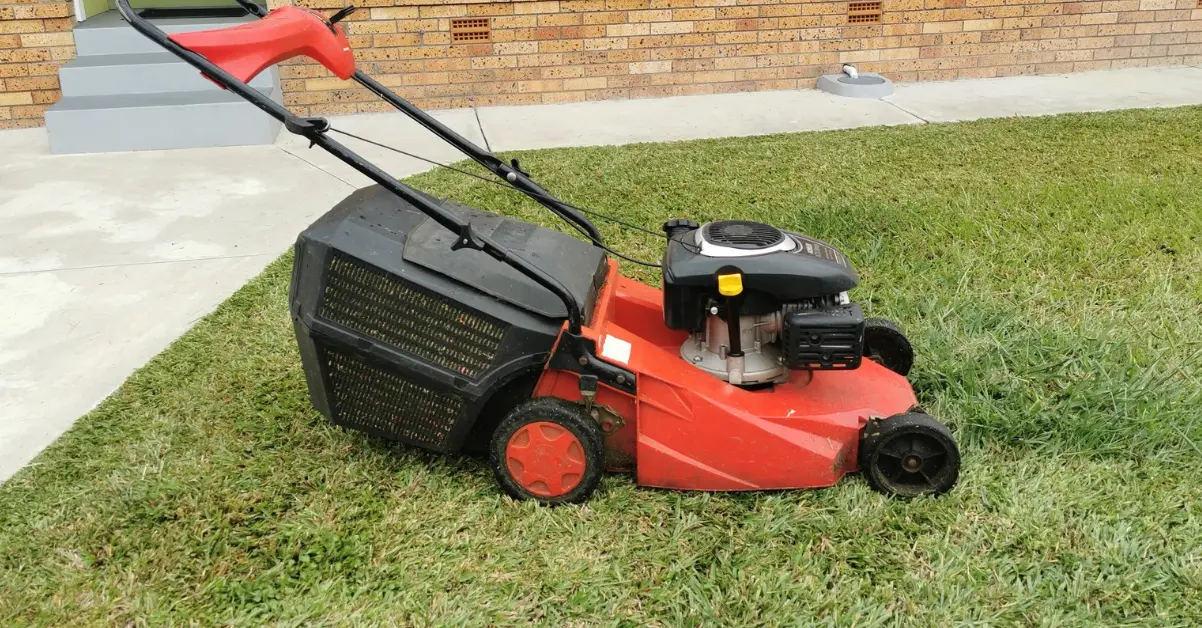
Push mowers continue to serve effectively on smaller residential properties, particularly those under half an acre with relatively flat terrain and regular grass that does not grow excessively tall between cuttings. For suburban blocks in Lockyer Valley townships where yards measure a few hundred square metres, push mowing remains a practical, cost-effective approach that provides adequate results without the expense and storage requirements of larger equipment. The simplicity and affordability of push mowers make them accessible to homeowners on tight budgets who prioritise basic functionality over speed and convenience.
Precision and detail work represent areas where push mowers often outperform their ride-on counterparts. Tight spaces around garden beds, along fence lines, and under low-hanging branches require the manoeuvrability that only a push mower provides. Even property owners who use ride-on mowers for open areas often keep a push mower or trimmer for finishing work in areas the larger machine cannot reach. This combination approach delivers both efficiency on large sections and precision in detailed areas, though it requires owning and maintaining multiple pieces of equipment.
Environmental considerations sometimes favour push mowers, particularly for homeowners concerned about fuel consumption and emissions. Manual reel mowers, which require no fuel, provide an eco-friendly option for small, flat lawns with soft grass varieties. While motorised push mowers still consume fuel, their smaller engines generally produce fewer emissions per session than larger ride-on equipment. However, this environmental advantage diminishes when longer operating times are factored in, as the extended runtime needed to cover larger areas can equalize or exceed the total emissions of a more efficient ride-on mower that completes the same job faster.
Cost sensitivity is crucial for homeowners in Lockyer Valley with limited budgets who cannot afford the expense of ride-on equipment or professional services. A basic push mower represents a minimal investment that, with proper maintenance, can provide years of reliable service for smaller properties. When combined with a commitment to regular mowing that prevents grass from becoming overgrown, push mowing can remain manageable even on properties approaching the size threshold where ride-on equipment becomes advantageous. However, property owners should honestly assess whether the time and physical effort required represent a sustainable long-term approach or simply deferred costs that eventually necessitate upgrading equipment or hiring professionals.
Maintenance Requirements for Both Mower Types
Push mower maintenance centres on relatively simple tasks that most homeowners can perform themselves with basic tools and mechanical knowledge. Regular oil changes, air filter cleaning, spark plug replacement, and blade sharpening constitute the core maintenance schedule. Seasonal maintenance includes draining fuel before storage, cleaning the deck to prevent grass buildup, and checking wheel bearings and drive belts on self-propelled models. Parts costs remain modest, with replacement blades typically costing A$20 to A$40 and basic service items similarly affordable in Lockyer Valley. Most push mowers can be serviced at home without specialised tools, reducing ongoing costs and downtime.
Ride-on mowers require more extensive and expensive maintenance due to their complexity and larger scale. In addition to basic engine maintenance similar to push mowers, ride-on machines need regular attention to transmission systems, cutting deck spindles, drive belts, battery charging systems, and potentially hydraulic components on commercial models. Blade replacement for multi-blade decks can cost A$100 or more, and major repairs like transmission rebuilds or engine overhauls can run into thousands of dollars. Many owners lack the tools or expertise for this level of maintenance, necessitating professional servicing that adds to ownership costs.
Maintenance frequency escalates with property size and usage intensity. A ride-on mower used weekly on a five-acre property accumulates operating hours far faster than a push mower used fortnightly on a quarter-acre yard. This intensive use accelerates wear on all components, from engine internals to cutting blades and drive systems. Commercial operators typically follow strict maintenance schedules that include daily inspections, regular fluid changes, and prompt attention to any performance issues. Residential owners who neglect maintenance often experience premature equipment failure and costly repairs that could have been prevented with proper care.
Storage considerations differ significantly between mower types. Push mowers require minimal space and can be stored in small sheds, garages, or even covered outdoor areas with weather protection. Ride-on mowers demand larger storage spaces that protect them from the elements, ideally in enclosed sheds with adequate ventilation and access. Queensland’s weather patterns, including intense sun, heavy rainfall, and high humidity, can accelerate deterioration of equipment left exposed. Proper storage extends equipment life and reduces maintenance issues caused by weather damage, rust, and pest intrusion into engine compartments.
Safety and Performance Considerations for Rural Mowing
Safety concerns on rural properties extend beyond the obvious risks of blade contact to include terrain hazards, hidden obstacles, and environmental dangers like snakes and insects disturbed by mowing activity. Ride-on mowers offer certain safety advantages through operator positioning above the cutting deck, protection from debris thrown by blades, and stability on slopes when used properly. However, they also introduce rollover risks on steep terrain and potential for serious injury if operators fall from or are run over by the machine. Understanding and respecting these risks through proper operation and appropriate equipment selection is essential for safe rural mowing.
Slope management presents particular safety challenges that require careful assessment. Manufacturers typically specify maximum safe operating angles for their equipment, commonly around 15 to 20 degrees for residential ride-on mowers. Exceeding these limits dramatically increases rollover risk, particularly when turning or operating across slopes rather than straight up and down. Lockyer Valley’s rolling terrain often includes slopes that exceed safe mowing angles, requiring alternative approaches like contour mowing, professional services with specialised equipment, or strategic landscaping that reduces steep sections. Push mowers handle moderate slopes more safely due to their lower centre of gravity, but operator fatigue and loss of footing create compensating risks.
Visibility and awareness matter critically when mowing acreage properties. Tall grass can conceal rocks, stumps, holes, and other hazards that damage equipment or cause sudden jolts that injure operators. Wildlife, particularly snakes seeking cover in longer grass, present real dangers in rural Queensland settings. Ride-on mowers offer better visibility from an elevated seating position and the ability to keep a safer distance from potential hazards compared to walking directly through unmowed areas with a push mower. However, the faster speed of ride-on equipment reduces reaction time, making thorough property inspection before mowing essential for identifying and marking hazards.
Performance in challenging conditions separates quality equipment from inadequate machines. Heavy, wet grass from recent rainfall, thick growth after extended periods between mowing, and tough native vegetation all demand substantial power and robust construction. Underpowered mowers struggle in these conditions, producing poor cut quality, leaving uncut patches, and potentially overheating or mechanical failure. Professional mowing services maintain commercial-grade equipment specifically chosen for handling Lockyer Valley’s typical conditions, ensuring consistent performance regardless of grass height or moisture content. Homeowners considering equipment purchase should honestly assess the worst conditions they are likely to encounter and choose equipment rated for those challenges rather than ideal conditions.
Why Ride-On Mowing Delivers Superior Results for Acreage
Consistency in cut quality across large areas represents a significant advantage of ride-on mowing that is often underappreciated until experienced firsthand. The steady speed and constant blade engagement of ride-on mowers produce uniform cutting heights and an even grass appearance that enhances property presentation. Push mowing larger areas often results in variable speed, fatigue-related inconsistency, and visible differences between sections mowed early versus late in the session. For property owners concerned about appearance, whether for personal satisfaction, rental property presentation, or preparing homes for sale, this consistency justifies the investment in quality equipment or professional services.
Time efficiency extends beyond simply completing the mowing faster. The reduced fatigue from ride-on mowing means operators can immediately address other property maintenance tasks rather than recovering from hours of strenuous push mowing. This productivity gain enables comprehensive property care within limited timeframes, maintaining not only lawns but also gardens, fences, and other features that contribute to the overall property appeal. Professional services maximise this efficiency through experienced operators who work systematically and identify potential issues during routine maintenance visits, providing value beyond simple grass cutting.
Long-term property health benefits result from the regular, consistent mowing made practical by ride-on equipment in the Lockyer Valley. Grass maintained at proper height through frequent cutting develops stronger root systems, better drought resistance, and improved weed suppression compared to grass that is allowed to grow tall and then cut drastically. The ease of ride-on mowing encourages this regular schedule. In contrast, the physical demands of push mowing often lead to delayed maintenance and overgrowth cycles, which stress the grass and reduce lawn quality. For Lockyer Valley properties where grass growth can be vigorous during favourable seasons, maintaining this regular schedule proves essential for healthy, attractive lawns.
Professional results from experienced operators using quality equipment represent the pinnacle of mowing outcomes. Services like Residential Lawn Mowing combine commercial-grade ride-on mowers, systematic mowing patterns that minimise lawn stress, and trained operators who adjust techniques for specific grass types and conditions. The visible difference between professional mowing and homeowner efforts often justifies the service cost through improved property appearance, time savings, and elimination of equipment ownership responsibilities. For many acreage owners, particularly those with limited time or physical capability for mowing, professional services deliver value that far exceeds their cost.

Frequently Asked Questions
Should I use a ride-on mower for a one-acre block?
For most property owners, a one-acre block represents the size where ride-on mowing transitions from optional convenience to practical necessity. Push mowing one acre typically requires three to five hours depending on terrain and grass conditions, representing a significant time commitment that becomes burdensome when repeated weekly or fortnightly throughout the growing season. Ride-on mowing reduces this to approximately 30 minutes to one hour, delivering time savings that accumulate substantially over a full year. The decision ultimately depends on your physical capability, available time, and whether you value the exercise and cost savings of push mowing enough to justify the additional effort. Many Lockyer Valley property owners at this size threshold choose professional mowing services as a middle path that avoids equipment ownership while delivering ride-on efficiency.
Can a ride-on handle sloped terrain?
Ride-on mowers can safely handle moderate slopes within their design specifications, typically up to 15 to 20 degrees depending on the specific model and manufacturer recommendations. Operating within these limits, quality ride-on mowers provide stable, effective mowing on the rolling terrain common throughout Lockyer Valley. However, steeper slopes exceed safe operating angles and dramatically increase rollover risk, particularly when turning or mowing across rather than up and down the incline. Properties with slopes exceeding these limits require specialised equipment with lower centres of gravity and enhanced stability features, or alternative approaches like professional services equipped for challenging terrain. Never assume your mower can safely handle slopes without checking manufacturer specifications and honestly assessing your property’s actual angles, as misjudgement in this area can lead to serious injury.
How long does it take to mow a large block?
Mowing time for large blocks varies based on property size, terrain complexity, grass height, and equipment capability. As a general guideline, professional-grade ride-on mowers with 60-inch cutting decks can cover approximately 1.5 to 2 acres per hour on relatively flat, open ground with regular grass height. A five-acre property might require three to four hours for thorough coverage, including trimming around obstacles and fence lines. Challenging conditions, such as slopes, overgrown grass, or numerous trees and features, extend the timeframe for Lockyer Valley considerably. Push mowing the same five-acre property could easily require 15 to 25 hours, illustrating why ride-on equipment becomes essential at this scale. Professional operators often complete jobs faster than homeowners due to experience, systematic mowing patterns, and familiarity with efficient techniques that minimise wasted motion and overlapping passes.
Are ride-ons expensive to maintain?
Ride-on mowers require more extensive and costly maintenance than push mowers due to their complexity and scale. Annual maintenance costs for residential ride-on mowers typically range from A$200 to A$500 for routine servicing including oil changes, filter replacements, blade sharpening, and basic repairs. Major repairs like transmission work, engine rebuilds, or cutting deck replacement can cost thousands of dollars, though these should be infrequent with proper care. Commercial-grade models used by professional services incur higher maintenance costs but are built for intensive use and typically provide longer service lives. For homeowners considering ride-on ownership, budgeting for ongoing maintenance is essential, as neglected equipment deteriorates rapidly and expensive repairs often exceed the cost of consistent preventative maintenance. Many property owners find that professional mowing service fees compare favourably to the combined costs of equipment purchase, maintenance, repairs, and eventual replacement when total ownership costs are calculated honestly.
What’s the best mower for residential properties?
The best mower for residential properties depends entirely on property size, terrain, grass type, and owner preferences. Properties under half an acre with flat terrain and regular grass growth can be effectively maintained with quality push mowers, offering simplicity and low cost. Properties from half an acre to two acres benefit from residential-grade ride-on mowers that balance capability with affordable pricing, typically in the A$2,000 to A$5,000 range. Larger properties or those with challenging terrain require commercial-grade equipment with greater power, durability, and features like four-wheel drive or enhanced stability systems. Rather than seeking a single best option, focus on matching equipment capability to your specific conditions and realistic assessment of how you will use the mower. For many Lockyer Valley homeowners, the best solution is not owning equipment at all but rather engaging professional services that bring appropriate commercial-grade machinery matched to your property’s needs.
Does a ride-on give a smoother cut?
Ride-on mowers can deliver smoother, more consistent cuts than push mowers when properly maintained and operated, though cut quality depends more on blade sharpness, cutting deck design, and operator technique than simply equipment type. The advantages of ride-on mowing for cut smoothness include constant speed that produces uniform grass height, wider cutting decks that reduce the number of passes and potential for overlapping irregularities, and powerful engines that maintain blade speed even in thick grass. However, poorly maintained ride-on mowers with dull blades, damaged decks, or improper height settings produce inferior results compared to well-maintained push mowers operated carefully. The key to smooth cuts lies in sharp blades, appropriate cutting height for your grass type, dry mowing conditions that prevent clumping, and systematic mowing patterns that avoid missed strips or scalped areas. Professional operators achieve consistently smooth results through experience, quality equipment, and attention to these details throughout every service visit.
Conclusion
Choosing between ride-on and push mowing for your Lockyer Valley property ultimately comes down to practical assessment of your land’s size, terrain, and grass characteristics combined with honest evaluation of your physical capability, available time, and maintenance commitment. While push mowers remain viable for smaller residential blocks with favourable conditions, ride-on equipment becomes increasingly advantageous as property size grows and terrain challenges mount. The substantial time savings, reduced physical strain, and improved cut quality of ride-on mowing justify the higher equipment costs for many acreage owners, particularly when maintained properly and used within appropriate safety limits.
For property owners weighing these options, consider that the decision is not binary between purchasing expensive equipment or exhausting yourself with manual labour. Professional mowing services represent a compelling alternative that delivers all the benefits of commercial-grade ride-on equipment without ownership responsibilities, maintenance costs, or storage requirements. The expertise and efficiency of experienced operators often produce superior results while freeing your time for other priorities, making professional services a practical solution for many rural and semi-rural properties throughout Gatton, Laidley, Plainland, and surrounding areas.
Whether you choose to invest in ride-on equipment, continue with push mowing for smaller properties, or engage professional services, the most important factor is maintaining a consistent mowing schedule that keeps your grass healthy and your property attractive. Regular maintenance prevents overgrowth, reduces weed invasion, creates defensible space against bushfire risk, and enhances your property’s overall appeal and value. By selecting the mowing approach that best matches your specific situation and committing to regular care, you ensure your Lockyer Valley property remains a source of pride rather than a burden of endless labour.
For more information about ride-on mowing and acreage maintenance services at Lockyer Valley Acreage Mowing, check them out below: